Back-to-School Transition Anxiety: What Actually Helps in 2026
Summary
87% of parents of children under 18 say back-to-school season causes them stress or anxiety, and 53% call it the single most stressful time of year — more than the holidays or tax season (Understood.org / The Harris Poll, n=563 parents).
For parents of neurodivergent or twice-exceptional kids, that stress rate climbs to 94%, with nearly 1 in 4 specifically stressed about managing an IEP.
"Summer slide" is real but overstated in most marketing content. NWEA's research review found test scores flatten or dip somewhat over summer (more in math than reading) — not the dramatic "years of learning lost" claims circulating online.
The real crisis isn't emotional, it's logistical: a 2–4 week gap between camp ending and school starting, staggered start days, and surprise PD days leave working parents without coverage.
The fix: shift sleep/wake routines gradually starting two weeks out, talk to your kid about the transition directly, and plan childcare coverage for the gap in July — not react to it in August.
Call Emmy provides vetted, background-checked childcare specifically for these in-between days when camp, school, and work schedules don't line up.
The Anxiety Everyone Forgets to Name
It's mid-July, which means the group texts have already started. "Does anyone know when the school supply list drops?" "Is your camp doing a closing ceremony too?" "How is it August already?" Underneath the logistics, there's a specific kind of dread that sets in this time of year, and it isn't really about backpacks or shoe sizes.
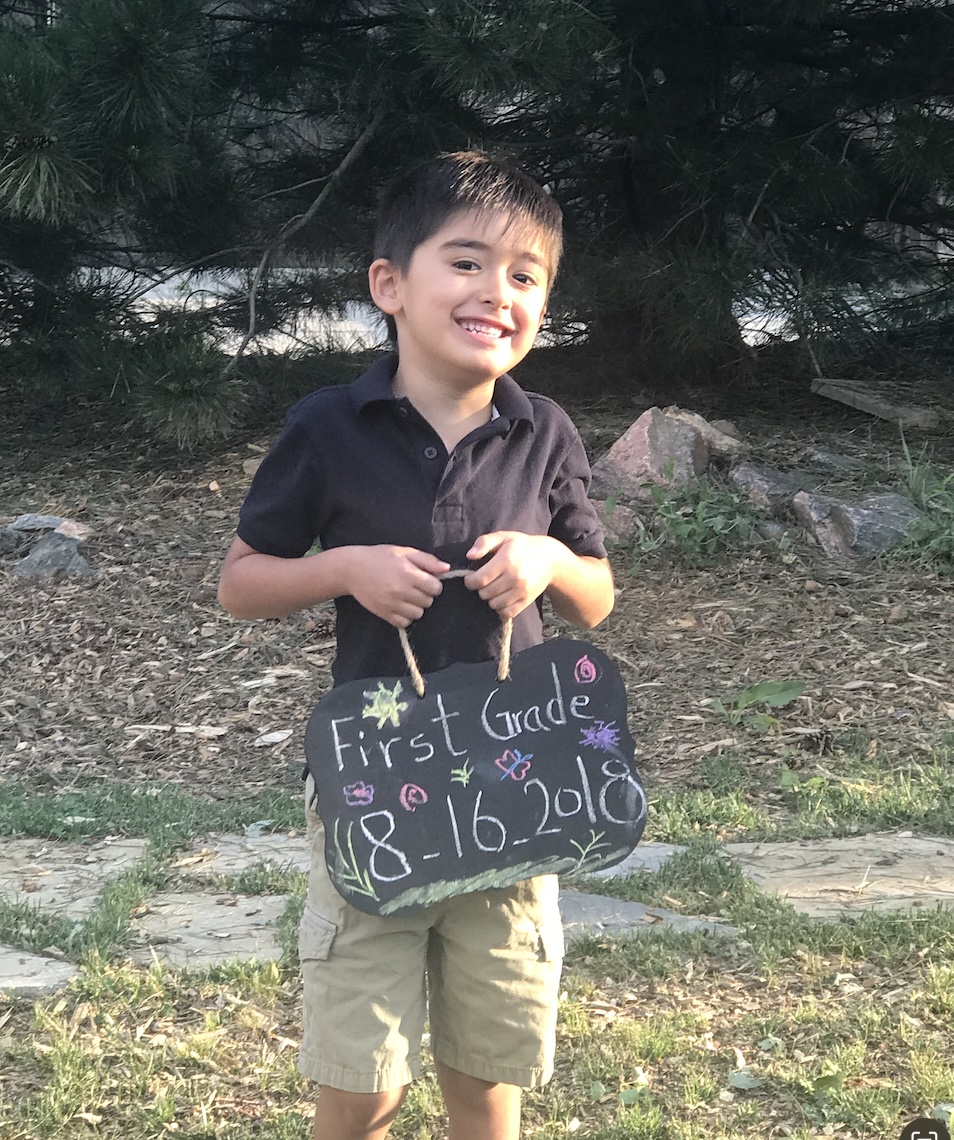
Most of the conversation around back-to-school season focuses on the kids — the first-day photos, the nerves about a new teacher, the friend groups shifting again. What gets talked about far less is that the adults are anxious too, often more than we admit, and often for reasons that have nothing to do with sentimentality about summer ending.
What the Data Actually Says About Back-to-School Anxiety
The numbers on this are more striking than I expected the first time I looked them up. In a nationally fielded Harris Poll survey conducted on behalf of Understood.org, 87% of parents of children under 18 said back-to-school season causes them stress or anxiety, and 53% called it the single most stressful time of the year — more than the holidays, more than tax season (Understood.org / The Harris Poll). That survey was conducted online among 2,061 U.S. adults, including 563 parents of children under 18, with a margin of error of about plus or minus 2.8 percentage points.
For parents of neurodivergent kids, or kids with learning differences, the number climbs to 94%, with nearly a quarter of those parents specifically citing stress about managing an IEP (Understood.org / The Harris Poll). I'd add that this same pattern shows up, in a quieter way, for parents of profoundly gifted kids — different diagnosis, same underlying reality: a kid whose needs don't fit the standard schedule, and a parent doing constant translation work between what the system offers and what their child actually needs.
On the academic side, the research is more nuanced than the "summer slide" headlines suggest. NWEA, the nonprofit behind the MAP Growth assessment used in thousands of U.S. schools, reviewed the last several years of summer learning research and found that test scores tend to flatten or drop somewhat over the summer, with larger declines typically in math than reading — but researchers are still genuinely divided on how much this actually widens gaps between kids from different income levels (NWEA). In other words: the slide is real enough to plan around, but the panic-inducing "your child will lose two years of learning" statistics you'll see elsewhere are doing more marketing than reporting.
The Real Logistics Gap Nobody Plans For
Here's the part that doesn't show up in any survey: the two-to-four-week stretch between when summer camp ends and school actually starts, or the staggered first week when kindergarten runs half-days and third grade doesn't, or the professional development day that closes school entirely three weeks into the semester with zero warning in June.
This is where back-to-school anxiety stops being emotional and becomes purely operational. Working parents aren't losing sleep over whether their child will make friends in the new class — they're losing sleep over who is watching that child on a random Tuesday in late August when camp has ended, school hasn't started, and there's a client call at 10am. It's a real gap, it repeats every single year, and almost no school district or camp treats it as their problem to solve.
Building Routines That Actually Reduce the Stress
None of this means the answer is another perfectly laminated chore chart, though those have their place. What actually moves the needle, based on what I've seen work for the families we support, tends to be simpler than the productivity-blog version of back-to-school prep:
Start the routine shift before the deadline forces it — moving bedtime and wake times back by 15 minutes every few days in the two weeks before school starts, rather than all at once the Sunday night before. Name the transition out loud with your kid, especially a gifted or neurodivergent kid who has spent the summer running their own schedule; a five-minute conversation about what's changing does more than a color-coded calendar. And plan the coverage gap on purpose, in writing, before the anxiety of "I don't know who's got him Tuesday" sets in — treat it as a known logistics problem to solve in July, not a crisis to react to in August.
That last one is where a lot of families quietly get stuck, and it's exactly the gap Call Emmy exists to close — vetted, background-checked childcare you can book for the in-between days: camp's-over-but-school-hasn't-started week, the half-day kindergarten schedule, the surprise PD day. Not because the emotional side of back-to-school isn't real, but because so much of that emotional load lifts the moment the logistics are actually handled.
Naming the Season for What It Is
Back-to-school season deserves to be talked about honestly — not as a cute photo-op transition, but as one of the most stressful stretches of the year for the adults running the household, with real data behind that claim and real logistics behind the stress. Naming it plainly is the first step. Building coverage for the gaps most families quietly white-knuckle through every August is the next one.
If your family is staring down that camp-ends-before-school-starts gap right now, Call Emmy was built for moments like this.
Frequently Asked Questions
Why is back-to-school season so stressful for parents? Survey data from Understood.org and The Harris Poll shows 87% of parents of children under 18 experience stress or anxiety around back-to-school season, and 53% rank it as the most stressful time of year — driven less by sentimentality and more by real logistics gaps like camp-to-school coverage, staggered start schedules, and unplanned school closures.
Is "summer slide" (summer learning loss) real? Partially, and it's more debated than most headlines suggest. NWEA's research review of modern assessment data finds student test scores tend to flatten or decline somewhat over the summer, with larger drops in math than reading — but researchers disagree on how much this widens achievement gaps by income. Treat aggressive claims like "kids lose two years of learning" with skepticism; that figure isn't well supported by the primary research.
What's the biggest back-to-school logistics gap for working parents? The 2–4 week window between when summer camp ends and school actually begins, plus staggered first-week schedules (half-day kindergarten vs. full-day elementary) and unplanned professional development days that close school with little notice.
How can working parents cover the childcare gap between camp and school? Plan the coverage on paper in July rather than scrambling in August: identify exactly which days/hours are uncovered, then book vetted care in advance. Platforms like Call Emmy specialize in exactly this — short-notice, background-checked childcare for the days standard school and camp schedules don't cover.
Does back-to-school anxiety affect parents of gifted or neurodivergent kids differently? Yes. Understood.org's data shows stress climbs to 94% for parents of neurodivergent children, with added stress around IEP management. Parents of profoundly gifted kids report a similar underlying pattern — a child whose needs don't fit the standard schedule, requiring constant translation between what the system offers and what the child actually needs.